
Why DGR Certification Is Mandatory for Aviation Professionals in 2026
As global air traffic, cargo volumes, and e-commerce shipments continue to surge, aviation safety has never been more critical. In 2026, one certification stands out as non-negotiable for aviation professionals working in cargo, ground handling, airport operations, and airline services — Dangerous Goods Regulations (DGR) certification.
Airlines, airports, and regulators worldwide now treat DGR compliance as a mandatory professional requirement, not an optional skill.
What Is DGR Certification?
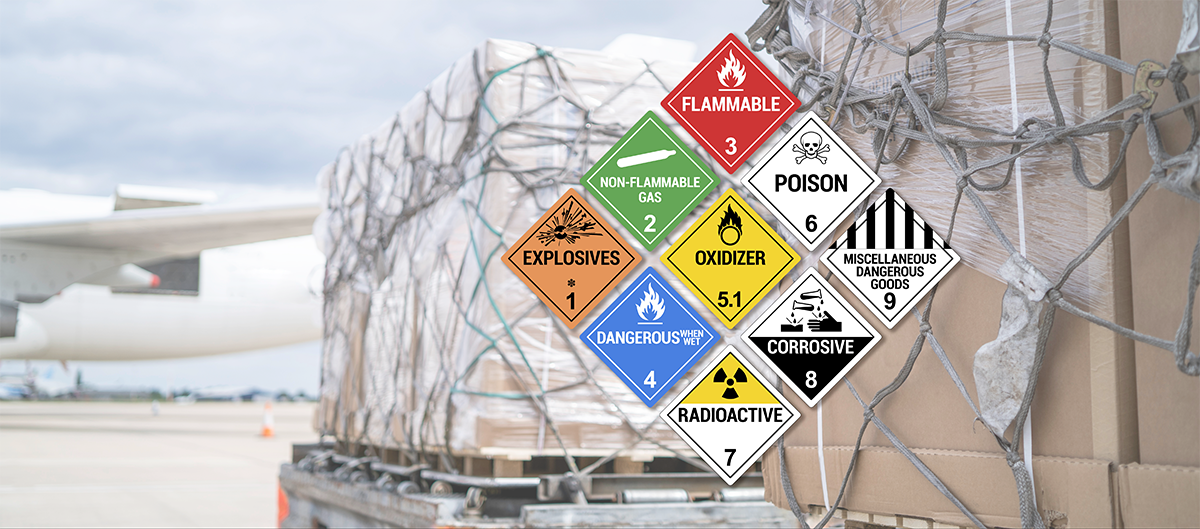
DGR certification is based on the International Air Transport Association (IATA) Dangerous Goods Regulations, which govern the safe transport of hazardous materials by air.
Dangerous goods include items such as:
Lithium batteries
Chemicals and flammable liquids
Aerosols and gases
Medical and radioactive materials
Explosives and corrosives
Improper handling of these items can lead to serious safety incidents, aircraft damage, and loss of life.
Why Has DGR Become Mandatory in 2026?
1. Rise in Lithium Battery & E-Commerce Shipments
With the explosion of e-commerce, lithium batteries are now transported daily by air. These items pose high fire risks if mishandled, making DGR-trained professionals essential at every stage of cargo and baggage handling.
2. Stricter Global Aviation Regulations
Regulatory authorities and airlines now enforce zero-tolerance policies toward dangerous goods violations. Airlines require staff to hold valid, up-to-date IATA DGR certification to comply with international safety standards.
3. Increased Accountability for Aviation Staff
In 2026, responsibility for dangerous goods safety extends beyond cargo staff. Professionals in:
Ground operations
Ramp services
Passenger services
Airport operations
Cabin crew
are all expected to identify, report, and manage dangerous goods risks.
4. Airlines Prefer Certified Professionals
Airlines increasingly prefer or mandate DGR-certified candidates because they:
Reduce operational risk
Ensure regulatory compliance
Protect aircraft, passengers, and crew
Minimise costly delays and penalties
For many aviation roles, DGR certification is now a hiring prerequisite.
Who Needs DGR Certification in 2026?
DGR certification is mandatory or highly recommended for:
Cargo & logistics professionals
Airport ground handling staff
Ramp services personnel
Passenger service agents
Airline operations and safety teams
Aviation supervisors and managers
If your role involves baggage, cargo, aircraft loading, or passenger interaction, DGR knowledge is essential.
Career Benefits of DGR Certification
Holding an IATA DGR certificate gives you a strong competitive edge:
Higher employability in airlines and airports
Eligibility for global aviation roles
Faster career progression
Increased earning potential
Strong safety and compliance credibility
In 2026, DGR-certified professionals are seen as safety assets within aviation organisations.
Get IATA DGR Certified with the Right Training Partner
Choosing a recognised training provider is critical.
Aviation Training Center offers IATA-certified DGR courses designed to meet current airline and regulatory requirements. The program combines theoretical knowledge with practical application, ensuring learners are fully compliant and job-ready.
What You Gain:
IATA-aligned DGR certification
Practical understanding of dangerous goods handling
Expert-led training and assessment
Career guidance and job assistance
Final Thoughts
In 2026, aviation safety is everyone’s responsibility — and DGR certification is the foundation of that responsibility. Whether you are starting your aviation career or upgrading your professional profile, DGR training is no longer optional.
✈️ Stay compliant. Stay employable. Stay safe.